

The Allure of Chance
The essence of gambling lies in the thrill of uncertainty and the allure of chance. For many individuals, the excitement that comes from not knowing the outcome can be irresistible. This innate human attraction to unpredictability taps into our evolutionary instincts, where taking risks could lead to greater rewards, such as hunting or foraging for food. In today’s context, this translates into the excitement found in games of chance, where the possibility of winning great rewards can trigger an adrenaline rush similar to that experienced in high-stakes situations, especially when considering various canadian betting sites that offer diverse gaming options.
Moreover, the potential for a significant win can create a sense of optimism that fuels the desire to play. The cognitive principle known as “availability heuristic” suggests that individuals often evaluate the likelihood of an event based on how easily they can recall similar events. This means that someone who has heard of a friend winning a jackpot may overestimate their own chances of winning, thus encouraging them to play. This cognitive distortion plays a crucial role in the decision-making process for many gamblers.
Enhancing this allure is the concept of loss aversion, a psychological phenomenon where the pain of losing is felt more intensely than the pleasure from a corresponding gain. This means that even small wins can create a false sense of security that keeps players engaged. Gamblers often recall their wins more vividly than their losses, further entrenching their behavior. This psychological interplay between risk and reward drives individuals back to gaming environments, regardless of previous outcomes.
The Role of Social Interaction
Gambling is often viewed as a solitary activity, but it is also a deeply social one. Many people are drawn to the atmosphere of gaming establishments where they can engage with others. This social aspect can enhance the overall experience, making it more enjoyable and immersive. The desire for social connectivity influences individuals to participate in gambling as a form of entertainment, where camaraderie and shared excitement contribute to the appeal.
Additionally, social norms and pressures can greatly affect gambling behavior. Friends or family members who gamble frequently may create an environment where participation seems more acceptable or even encouraged. As the saying goes, “everyone is doing it,” and this collective behavior can lead to a snowball effect, leading individuals to partake in gambling without critically assessing their motivations or potential consequences. The desire to belong can often override rational thought, compelling individuals to engage in gambling activities.

Further, the interaction with others can provide a unique psychological boost. Celebrating wins together or even sharing losses can create a bond among participants, offering emotional support during the highs and lows of gambling. This communal experience can make the act of gambling feel more rewarding and less isolating. For many, these social ties are paramount, allowing them to view gambling as an excusable leisure activity in their social circles, despite the inherent risks involved.
Addiction and Escapism
The phenomenon of gambling addiction is complex, intertwining psychological factors with behavioral tendencies. An individual may turn to gambling as a way to escape from life’s stresses or personal problems. The environment created by casinos, designed to be bright and engaging, further distracts individuals from their daily struggles, allowing them to immerse themselves in the experience. This escape from reality can be appealing, providing a temporary reprieve from responsibilities and disappointments.
Moreover, gambling addiction can manifest due to the brain’s reward system. When engaging in gambling, individuals may experience a surge of dopamine, a neurotransmitter associated with pleasure and reward. This reaction reinforces the behavior, making it more likely that individuals will return to gambling in search of that same high. Over time, what begins as a casual activity can spiral into compulsive behavior, where the need to gamble overshadows other aspects of life, leading to damaged relationships and financial troubles.
Understanding the psychological components of gambling addiction is vital for creating effective interventions. Many treatment programs focus on cognitive-behavioral therapy to address underlying issues and promote healthier coping mechanisms. By fostering self-awareness and providing tools for managing temptation, these programs aim to break the cycle of addiction. However, the journey to recovery is often complex, emphasizing the need for ongoing support and understanding from both individuals and their communities.
The Influence of Marketing and Environment
The physical and psychological environment of gambling establishments plays a significant role in shaping behaviors and decisions. The design of casinos is meticulously crafted to engage the senses, with bright lights, engaging sounds, and a layout that encourages exploration. This sensory stimulation is designed to create an atmosphere that feels both welcoming and thrilling, drawing individuals into a cycle of play without considering the potential consequences.
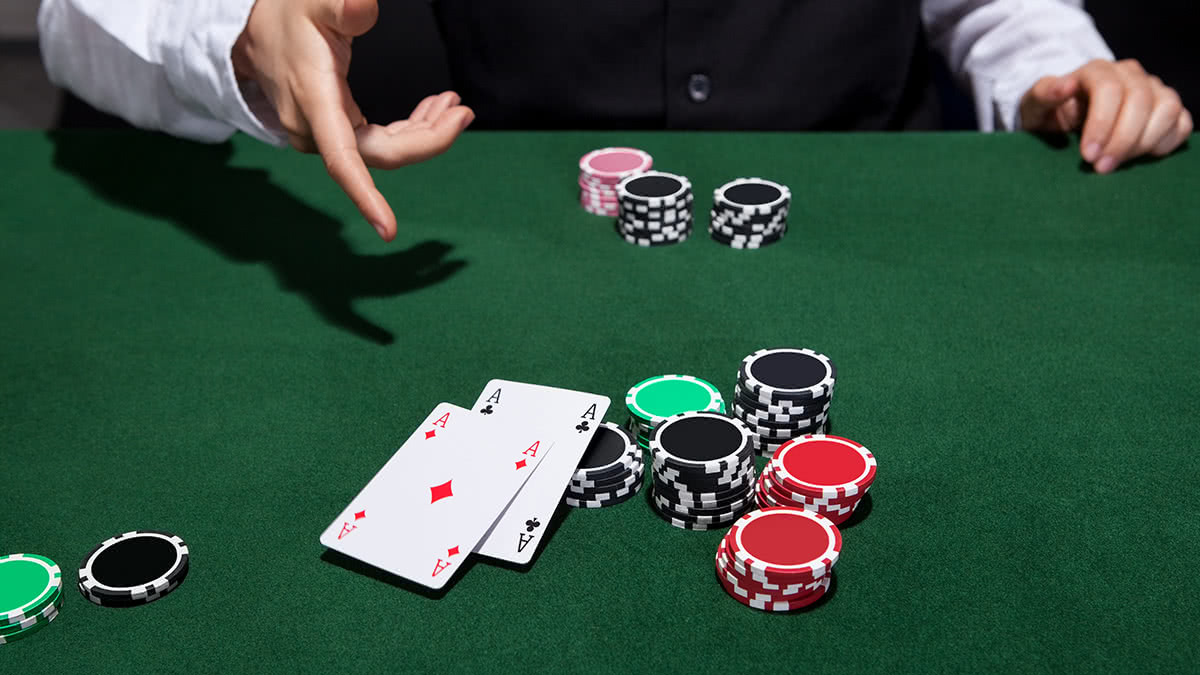
Marketing strategies also contribute to the allure of gambling. Promotions and bonuses designed to entice new players create an initial sense of excitement, often overshadowing the inherent risks of gaming. These tactics play on psychological principles such as urgency and scarcity, manipulating players into making impulsive decisions. The message that anyone can be a winner feeds into the optimistic bias many individuals hold, perpetuating the cycle of participation despite the odds being stacked against them.
In this competitive arena, the presence of technology has transformed the gambling landscape. With the rise of online gaming and mobile applications, players now have the ability to gamble from the convenience of their homes. The easy access and constant availability can exacerbate impulsive behaviors, leading to increased time spent gambling. Understanding the intersection of environment and behavior is essential for developing responsible gaming initiatives that can help mitigate the risks associated with gambling.
Understanding Responsible Gaming and Its Importance
As the complexities of gambling behavior continue to be explored, the importance of responsible gaming practices becomes increasingly clear. Providing players with resources and information about the risks associated with gambling is essential for promoting a healthy approach to recreational gaming. Initiatives that educate individuals about the signs of problem gambling can empower them to make informed choices, helping to mitigate the potential for addiction and financial difficulties.
Many organizations focus on responsible gambling, advocating for self-regulation and the establishment of limits. Encouraging players to set budgets for their gaming activities can serve as a powerful tool for maintaining control. This proactive approach can help individuals recognize when their gaming may be crossing into dangerous territory, prompting them to take necessary action before it escalates.
Ultimately, fostering a culture of responsibility among players and operators alike can create a safer environment for all involved. By promoting awareness and providing resources, the gambling community as a whole can work towards minimizing the adverse effects associated with gambling while still allowing individuals to enjoy the thrill of play responsibly. In an ever-evolving landscape, engaging in open conversations about the psychology of gambling is crucial for ensuring a balanced perspective on both its challenges and its pleasures.
Wat maakt een casino succesvol in 2026?
Innovatieve technologieën en gaming ervaring In 2026 zal de technologie de voornaamste drijfveer zijn voor het succes van casinos. Spelers verwachten een naadloze en meeslepende ervaring, waarbij ook Beste online casino nederland een rol speelt, ondersteund door virtual reality (VR) en augmented reality (AR). Dit betekent dat traditionele casinospellen zoals [...]| Play | Cover | Release Label |
Track Title Track Authors |
|---|